
Understanding the psychological triggers that influence gambling behavior
The Role of Emotion in Gambling
Emotion plays a pivotal role in gambling behavior, often driving individuals to make decisions that may not align with their best interests. High-stakes environments, like casinos, are designed to evoke feelings of excitement and thrill. For many, the exhilaration of placing a bet and the anticipation of potential winnings can trigger a rush of endorphins. This emotional high can create a feedback loop, where the gambler seeks out more experiences to replicate that initial rush. For those seeking alternatives, visiting a non gamblock casino can offer an exciting option.
Additionally, emotions such as stress, anxiety, and depression can also lead individuals to gamble as a form of escapism. The act of gambling provides a temporary distraction from life’s pressures, making it an appealing choice for those struggling with negative emotions. Unfortunately, this can lead to a cycle of gambling that exacerbates emotional distress, creating a dangerous balance between seeking relief and facing consequences.
Understanding these emotional triggers can be vital for individuals looking to maintain a healthy relationship with gambling. Being aware of how emotions influence their decisions allows gamblers to develop strategies to mitigate their urges during emotionally charged situations, leading to more responsible gambling habits.
The Influence of Cognitive Biases
Cognitive biases significantly affect how gamblers perceive odds and probabilities. For instance, the illusion of control is a common bias where individuals believe they can influence the outcome of a game, despite it being purely chance-based. This mindset can encourage players to continue gambling, convinced that their skills will turn the tide in their favor. Similarly, gamblers often fall prey to the gambler’s fallacy, believing that past outcomes will influence future results. This misconception can lead to a continuation of betting, even when the odds are not favorable.
Another cognitive bias is the overestimation of rewards, where players focus on their wins and minimize the impact of losses. This selective memory fosters a sense of optimism, reinforcing the belief that they will win again. As a result, many gamblers might chase their losses, thinking they can recover their finances, ultimately leading to deeper financial troubles.
By recognizing these cognitive biases, gamblers can train themselves to adopt a more rational approach. This includes critically evaluating their gambling strategies and decisions, enabling them to step back and reassess whether their beliefs about winning are rooted in reality or wishful thinking.
The Impact of Environment on Gambling Behavior
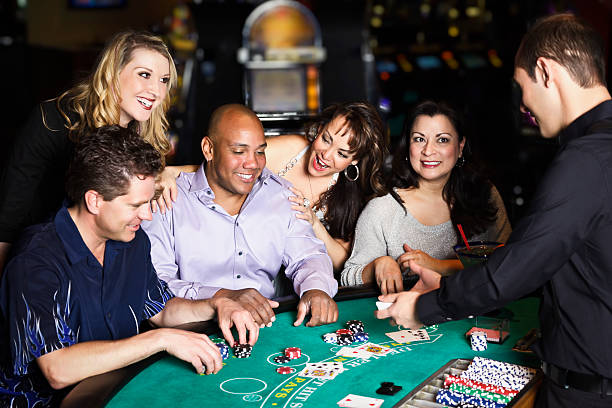
The environment in which gambling occurs significantly influences player behavior. Casinos are meticulously designed to immerse players in an exhilarating atmosphere, filled with bright lights, enticing sounds, and the smell of free drinks. This sensory overload can heighten feelings of excitement, prompting individuals to gamble more than they typically would. Many players are drawn into a captivating social environment that encourages a communal experience, which can amplify their desire to participate.
Moreover, the accessibility of online gambling has altered traditional gambling behaviors. The convenience of online platforms allows individuals to engage in gambling without leaving home, often leading to impulsive decisions. With non GamBlock casinos offering a range of options, players may find themselves gambling for extended periods, with little awareness of the time that has passed. This ease of access can blur the lines between recreational gambling and compulsive behavior.
Recognizing the influence of environment on gambling can empower individuals to make better choices. By understanding how surroundings can manipulate behavior, players can create boundaries and choose gambling environments more intentionally, potentially reducing the risk of developing unhealthy habits.
The Role of Social Influences
Social influences are another critical factor that shapes gambling behavior. Peer pressure can heavily impact an individual’s decision to gamble, especially among younger adults. The desire to fit in or be accepted can drive individuals to engage in gambling activities, even if they do not have a genuine interest. This social context creates a sense of belonging and excitement that can overshadow the risks involved.
Additionally, family background plays a significant role in shaping gambling attitudes. Individuals raised in environments where gambling is normalized may be more likely to adopt similar behaviors. For instance, witnessing family members gambling can create a perception that it is a harmless pastime, making it easier for these individuals to rationalize their own gambling habits.
To combat the negative impact of social influences, it is essential for individuals to cultivate awareness and develop personal accountability. By surrounding themselves with individuals who promote healthy habits and encourage responsible gambling, players can mitigate the effects of peer pressure and family expectations, leading to more informed decisions.
Finding Balance in Non GamBlock Casinos
Non GamBlock casinos offer a unique opportunity for players to enjoy gambling without the restrictions imposed by self-exclusion programs. Understanding psychological triggers can enhance the gaming experience, allowing players to appreciate the excitement while maintaining control over their behavior. By recognizing the emotional, cognitive, and environmental factors that influence gambling, individuals can develop strategies to create a balanced approach.
These platforms provide a diverse array of games, catering to different preferences and styles. Players can explore various options, such as slots and live casino tables, all while benefiting from responsible gaming practices. Engaging with non gamblock casinos can promote a healthier approach to gambling, as players learn to navigate their preferences while being mindful of their triggers.
Ultimately, educating oneself on the psychological aspects of gambling is crucial. As players explore the offerings of non gamblock casinos, they can enjoy an enriching experience that respects their limits and promotes responsible gaming. By leveraging knowledge and self-awareness, players can find the right balance in their gambling pursuits, ensuring enjoyment without compromising their well-being.